

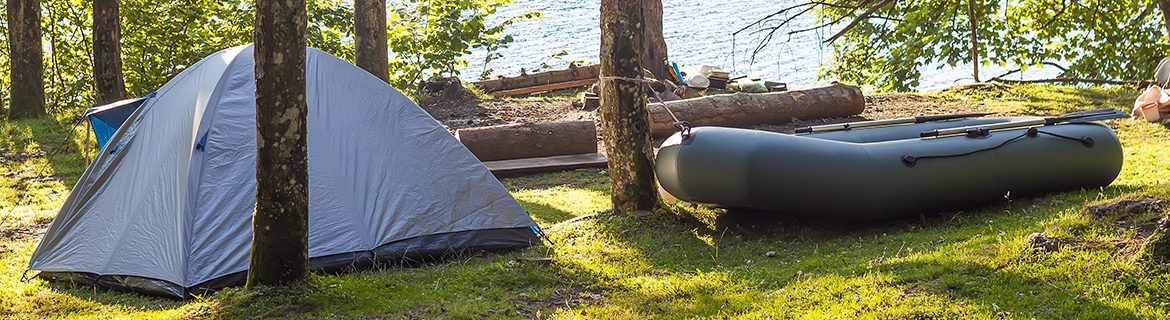
Camping from a kayak, canoe or paddleboard is different from regular car camping. You still need shelter, food, water, and warm clothing, but everything must withstand spray, rain, mud, riverbanks, and limited storage space.
The best paddling camping setup is simple. Bring what keeps you safe, dry, fed, and comfortable. Leave behind anything heavy, fragile, or unnecessary.
Start With the Conditions
Before packing, think about the trip itself. A calm summer float, a cold spring river, and a multi-day lake crossing all require different gear. Weather can change quickly near water, and even warm days can turn cold after sunset.
Check the forecast, water temperature, wind, expected rain, and river level. For river trips, also check current strength and take-out locations. A campsite that looks easy on a map may be harder to reach if the water is low, fast or blocked by fallen trees.
Your gear should match the real conditions, not the ideal version of the trip. The more remote the route is, the more carefully you need to plan water, food, dry clothing and emergency communication.
Clothing for Paddle Camping
For paddling and camping, clothing should dry quickly. Cotton is usually a poor choice because it holds moisture, dries slowly and can make you cold when the temperature drops.
Synthetic fabrics, wool socks and lightweight layers work much better. A basic clothing system should include a short-sleeve shirt, a long-sleeve sun layer, a warm mid-layer and a waterproof rain jacket.
For bottoms, bring quick-dry shorts or pants. Jeans are not useful on a paddling trip. They get heavy when wet and take too long to dry. Dry sleep clothes are also important. Even on a short trip, having one clean, dry layer for camp can make the evening much more comfortable.
For most warm-weather paddle camping trips, the core clothing setup should include:
- Non-cotton shirts and quick-dry shorts or pants.
- Wool or synthetic socks.
- A fleece, puffy jacket or other warm layer.
- A waterproof rain jacket.
- Dry sleep clothes.
- A sun hat or cap.
- A warm beanie for cool mornings.
- Sturdy water shoes or sandals with a heel strap.
The goal is not to bring many outfits. The goal is to stay warm and functional if one set gets wet.
Footwear for Water and Camp
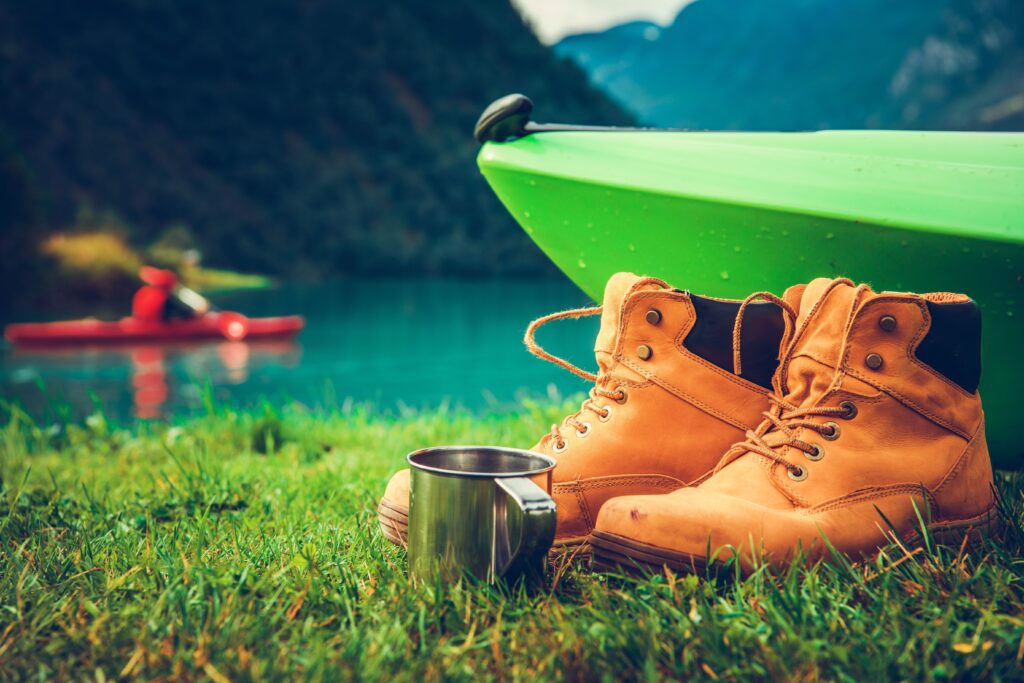
Footwear matters more than beginners expect. Flip-flops are not a good choice for paddling, carrying boats, or walking on slippery rocks. They come off easily and offer little protection.
Wear water shoes, old tennis shoes, or sandals with a heel strap while paddling. Around camp, lightweight sandals or camp shoes are useful, especially when your main shoes are wet.
On trips that include hiking, rough portages or rocky landings, stronger shoes with better support are a better choice. Wet rocks, roots and muddy banks can turn a short carry into an ankle injury if your footwear is too weak.
Keeping Gear Dry
Dry storage is one of the most important camping basics for kayakers. A backpack can survive light rain, but river camping needs better protection.
Use dry bags for sleeping clothes, sleeping bag, electronics, and food. A heavy-duty trash bag can work as backup protection inside a pack or hatch. Zip bags are useful for small items like toilet paper, batteries, medication and snacks.
Pack the things you need during the day where you can reach them. Rain gear, sunscreen, water, snacks and a headlamp should not be buried under sleeping gear.
Water, Food and Cooking
Bring more drinking water than you think you need, especially in hot weather. If you plan to filter water from a river or lake, bring a reliable filter and know how to use it.
Simple food is best. Choose meals that are easy to cook, easy to clean up and not too heavy. For one-night trips, many paddlers use a small stove, one pot, a bowl, a cup and a spoon. Good paddle camping food includes oatmeal, wraps, dried meals, nuts, energy bars, instant coffee, rice packets and simple trail snacks. Avoid glass containers and anything that creates messy waste.
Safety and Essentials
Every paddler should wear or carry a life jacket. Even on calm water, cold shock, current, submerged branches or sudden wind can create real danger. A short overnight trip can still become difficult if the weather turns or someone gets wet and cold.
A basic safety and camp kit should include:
- Properly fitted life jacket.
- Whistle.
- Headlamp with extra batteries.
- First-aid kit.
- Map or offline navigation.
- Sunscreen and bug repellent.
- Personal medication.
- Dry bag for key items.
- Toilet paper, hand sanitizer and waste bags.
- Compact towel and dry clothes for after the trip.
For remote trips, a satellite messenger or emergency communication device can be useful. A phone alone is not always enough, especially in valleys, forests or backcountry areas.
Camp Comfort
Camping does not need to be uncomfortable, but it does need to be simple. Bring a toothbrush, toothpaste, toilet paper, hand sanitizer and bags for packing out waste when required.
Baby wipes can help after a long day, but they should be packed out, not left behind. If the trip is remote, learn the local rules for backcountry bathroom use before you go.
Small comforts also help. Dry socks, warm sleep clothes, a compact pillow, a lightweight towel and a clean shirt for the drive home can make the trip much better without adding much weight.