

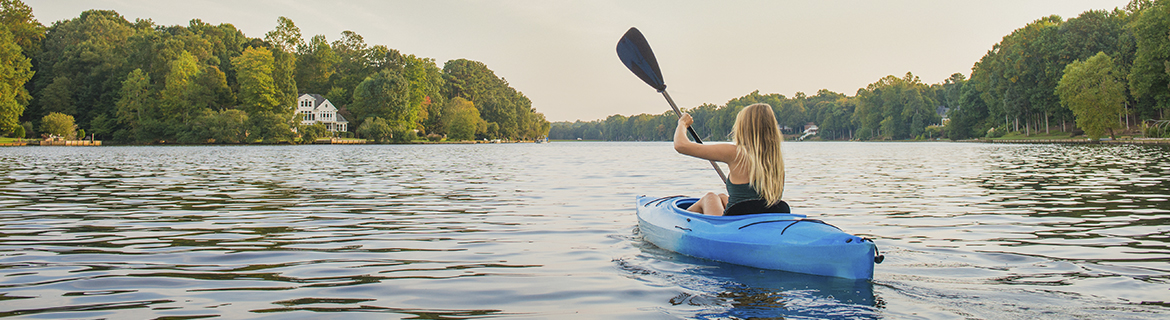
The Battenkill River is one of the most enjoyable places in the Northeast for a relaxed paddling day. It has clear scenery, gentle water, covered bridges, trout fishing, tubing, kayaking, and canoeing routes that work well for beginners and casual paddlers.
The river flows through parts of Vermont and New York, passing mountain views, wooded banks, quiet pools, farmland and small rural communities. It is not a technical whitewater destination. Instead, Battenkill River kayaking is mostly about steady movement, simple navigation and a scenic day outside.
For many visitors, the Battenkill works best as a warm-weather river trip. Kayakers, canoeists, fly fishermen and tubers all use the river, especially from late spring through summer. On busy weekends, the river can feel social and lively. On weekdays, it is usually quieter and better for people who want a slower outdoor experience.
Why the Battenkill River Is Popular
The Battenkill River has several features that make it attractive for paddling and tubing. The water is generally beginner-friendly, the scenery changes along the route, and there are multiple access points that allow paddlers to choose the length of the trip.
A typical Battenkill River trip may include:
- Class I water.
- Calm stretches for easy paddling.
- Covered bridges.
- Mountain and hill views.
- Farm country.
- Sand and rock bars.
- Trout fishing areas.
- Tubing sections in summer.
- Nearby towns with food, shops and other activities.
This mix makes the river flexible. A kayaker can use it for a half-day paddle. A family can plan a tubing trip. A canoeist can make it a relaxed scenic float. A more experienced paddler can extend the distance and cover a longer section.
Kayaking from West Arlington to Shushan
One of the most useful route ideas is the paddle from West Arlington, Vermont, to Shushan, New York. The put-in described in the source material was near the covered bridge in West Arlington, with the take-out near the Shushan covered bridge.
This section was about 11.5 miles. It was completed at a leisurely pace in around three hours, making it a comfortable half-day paddle rather than a full expedition. The river moved generally westward in this area, crossing from Vermont toward New York.
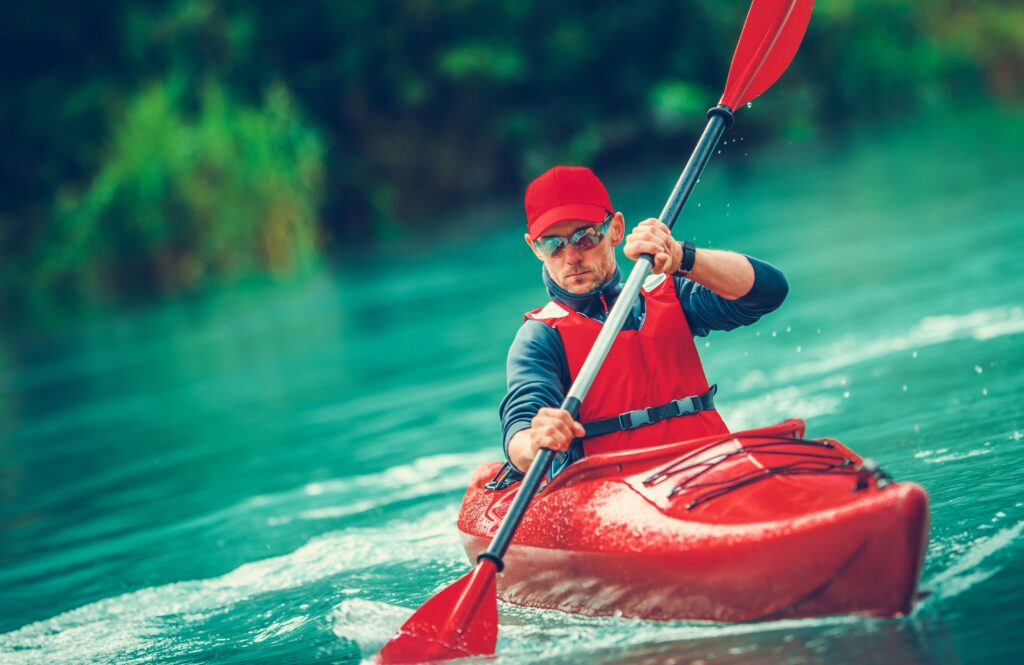
The route was mostly easy. It included Class I water and quiet sections, with no special paddling skills required under the described conditions. That makes this stretch a good option for recreational kayakers and canoeists who want moving water without committing to difficult rapids.
The scenery changed along the way. The earlier part of the paddle included more wooded and mountain-like surroundings, while the later sections moved toward rolling hills and farm country. This variety helped make the trip feel longer and more interesting than a simple straight float.
Covered Bridges Along the River
Covered bridges are one of the main visual highlights of the Battenkill River. On the West Arlington to Shushan route, paddlers could start near the West Arlington covered bridge and later pass the Eagleville covered bridge. The Shushan covered bridge marked the take-out area on the described route.
For paddlers who continued beyond Shushan toward Battenville, another covered bridge could be seen in Jackson, New York. This longer version turned the trip into a much bigger outing.
The covered bridges give Battenkill River kayaking a strong regional character. They also help paddlers mark progress along the route. Instead of counting only miles, the bridges become natural landmarks during the day.
Longer Route Options
The basic West Arlington to Shushan paddle was about 11.5 miles. For those who wanted a longer day, it was possible to continue another 11.5 miles toward a take-out before the Battenville Dam.
That would create a route of roughly 23 miles. The source material noted that this longer stretch could be completed in about five hours at a brisker paddling pace. However, this option is better suited to paddlers with more stamina and better planning.
A longer Battenkill River kayaking trip requires more attention to:
- Water level.
- Daylight.
- Weather.
- Shuttle logistics.
- Food and water.
- Physical endurance.
- Take-out location.
- Distance below Shushan.
The water after Shushan was described as mostly quiet, with scenery becoming more agricultural. This could be ideal for people who enjoy a peaceful touring-style paddle, but it may feel slow for those looking for more current and variety.
Water Level, Gauge Checks
Water level matters on the Battenkill. The source material mentioned a Battenville Gauge reading of 5.1, which was considered acceptable for boating. It also noted that when the gauge dropped below 5.0, the river became shallow enough for kayaks to scrape or bottom out in places.
This is an important planning point. A river can look easy on a map, but low water can make the trip frustrating. Shallow sections, rock bars and gravel bars can slow down kayaks and canoes. Tubes can also drag in places when the river is too low.
Before a Battenkill River kayaking or tubing trip, it is smart to check:
- Recent rainfall.
- River gauge readings.
- Local outfitter advice.
- Weather forecast.
- Water temperature.
- Expected trip time.
Even on a warm day, the water can be cold. That matters for tubing, swimming, and beginners who may accidentally fall in.
Tubing on the Battenkill River
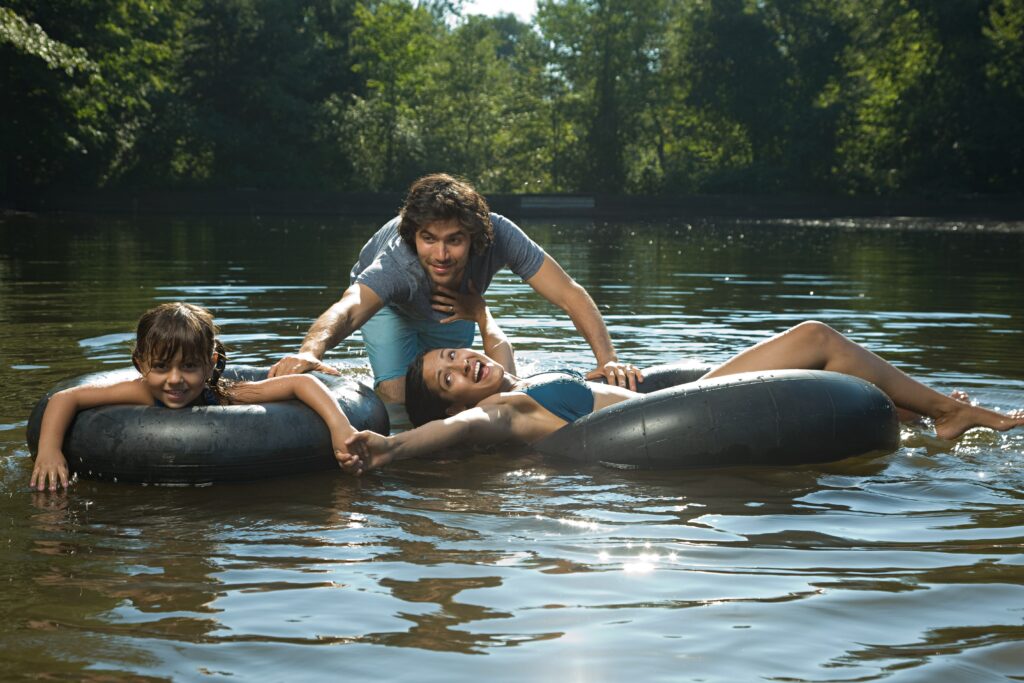
Battenkill River tubing is especially popular in summer. The source material noted that weekends from Memorial Day through Labor Day brought many younger people tubing on the river. That pattern is typical for warm-weather tubing destinations: weekends are busier, louder, and more social, while weekdays are calmer.
Tubing is easier than kayaking in one sense because it requires less technique. However, it still needs planning. Tubers should know where they will get out, how long the float may take, and whether the water level is safe.
A good tubing plan includes:
- A proper launch point.
- A clear take-out location.
- Footwear for rocks.
- Sun protection.
- Drinking water.
- A life jacket for weaker swimmers.
- No glass containers.
- A plan for returning to the car.
The Battenkill’s gentle Class I character can make it attractive for tubing, but river conditions can still change after rain or during low-water periods.
Take-Out Planning
A river trip usually needs a shuttle plan. The source route used a bicycle shuttle: the boaters left a bike at the take-out and used it to return to the car after the paddle.
That is one option, but it is not the only one. Paddlers can also use two cars, arrange a ride, or work with a local outfitter that offers transport or rentals.
The Shushan covered bridge area was used as a take-out point in the described trip. There was also a large parking area west of the state line where many people launched or removed boats and tubes.
For any Battenkill River trip, the take-out should be planned before getting on the water. Missing the exit can turn a relaxed paddle into a much longer day.
Nearby Things to Do
A Battenkill trip can also fit into a broader Vermont or New York weekend. Nearby Arlington and Manchester offer other activities, including hiking, golf, shopping, dining, and historic sites. Hildene, the home of Robert Todd Lincoln, is one notable nearby attraction.
This makes the area useful for mixed groups. Some people can paddle or tube, while others can explore towns, walk, shop or visit local attractions.
Final Tips for Battenkill River Kayaking
The Battenkill River is best for people who want a scenic, low-stress paddling experience. It is suitable for kayaks, canoes, and tubes, especially when water levels are right.
The best approach is to choose a route length that matches the group, check the gauge, plan the shuttle, and avoid rushing. Beginners should start with the shorter West Arlington to Shushan section before considering the longer route toward Battenville.
For a simple summer river day, the Battenkill has the right mix: easy current, covered bridges, countryside, tubing energy, fishing culture and enough scenery to make the miles pass smoothly.